Health & Wellness Desk
What Actually Happens to Your Metabolism Between Meals

"Eat less, move more" treats the body like a simple calculator. In practice, what happens between meals — how blood sugar rises and falls, how hunger signals fire — plays a bigger role than most diet plans acknowledge.
The part that gets oversimplified
Calories matter, but so does timing and signaling. Two people eating identical calories can have very different energy and hunger experiences depending on how their blood sugar responds between meals.
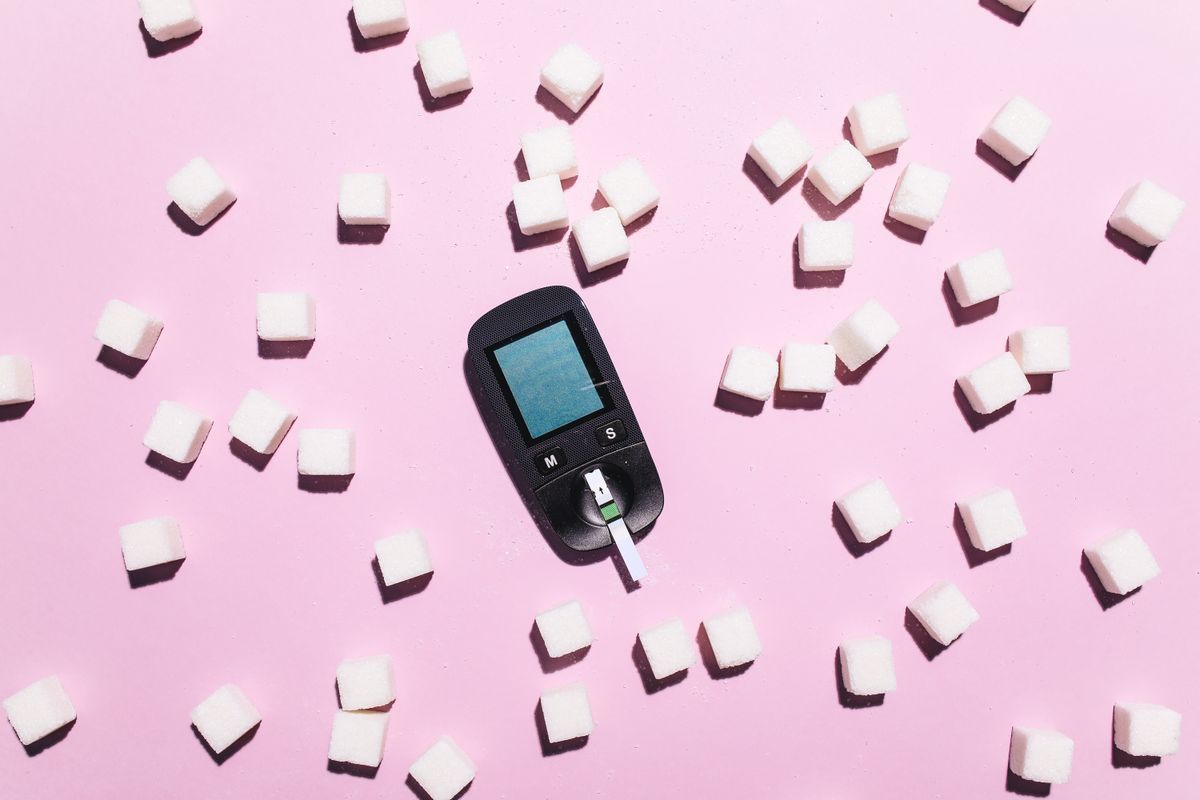
Why small, well-timed habits matter
Instead of eating less overall, some research has focused on eating smarter — how certain habits and food pairings affect post-meal blood sugar swings and hunger a few hours later.
- Why blood sugar swings contribute to energy crashes
- The everyday factors tied to steadier post-meal energy
- A simple habit some people use before their first meal
Individual results vary. This content is educational and is not a substitute for medical advice. Always consult a healthcare professional before making changes to your diet or routine.
A realistic starting point
None of this requires cutting out food groups. It's a short, specific morning habit explained in full in the guide below, alongside the reasoning behind it.
See How the Full Routine Works
Watch the short presentation to see how the habit fits into a full daily approach.
Watch the PresentationResults vary from person to person. Not a substitute for medical or nutritional advice.